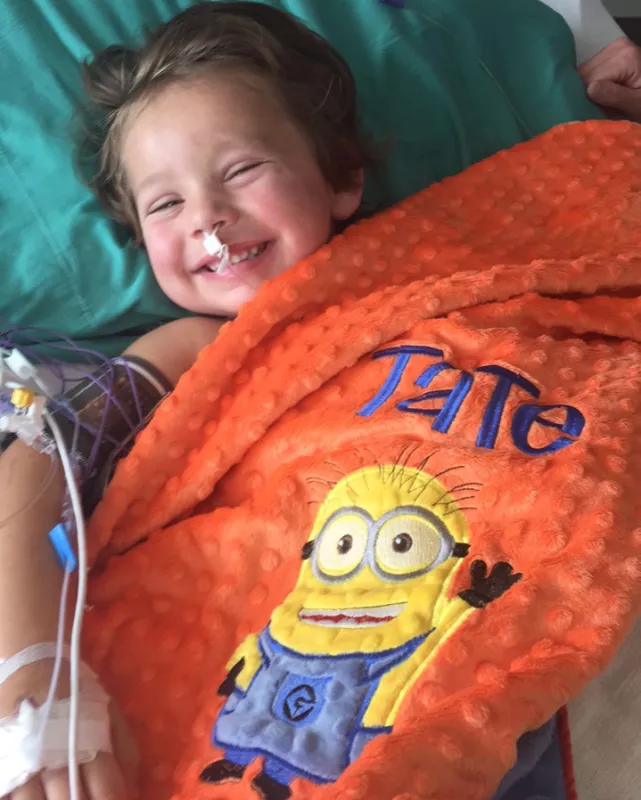
When he was just three years old, a single moment changed Tate Manahl’s life forever.
What should have been a normal day in the yard turned into a nightmare his family will never forget.
His father, Ryan, had been mowing the lawn, focused on the routine task, never realizing that his wife, Fonda, had just returned home with Tate and his older brother.
Curious and full of love, Tate only wanted to see his dad.
He approached from behind, unaware of the danger.
Ryan, not knowing his son was there, put the mower in reverse.
In the blink of an eye, Tate was underneath the machine—from his stomach all the way down to his toes.
The sound.
The panic.
The horror.
It was every parent’s worst nightmare, happening right before Ryan’s eyes.
Neighbors rushed over, desperate to help.
Tate was quickly taken by ambulance to a nearby hospital.
But the injuries were so severe that he was flown by helicopter to University of Iowa Stead Family Children’s Hospital.
Ryan still remembers the agony of watching his little boy lifted away.
“It was very difficult having him take off in the helicopter and watch him go, because we didn’t know if it was going to be the last time we could tell him we loved him,” he recalls.
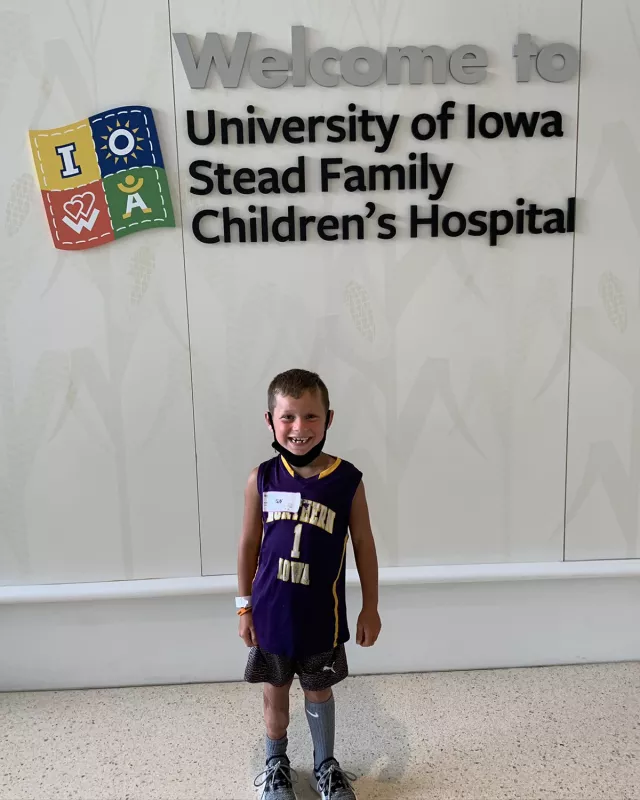
The drive that followed was unbearable—an hour and ten minutes filled with fear, silence, and unanswered questions.
Their oldest son, Cason, asked the words that broke their hearts:
“Am I ever going to play tag with my little brother again?”
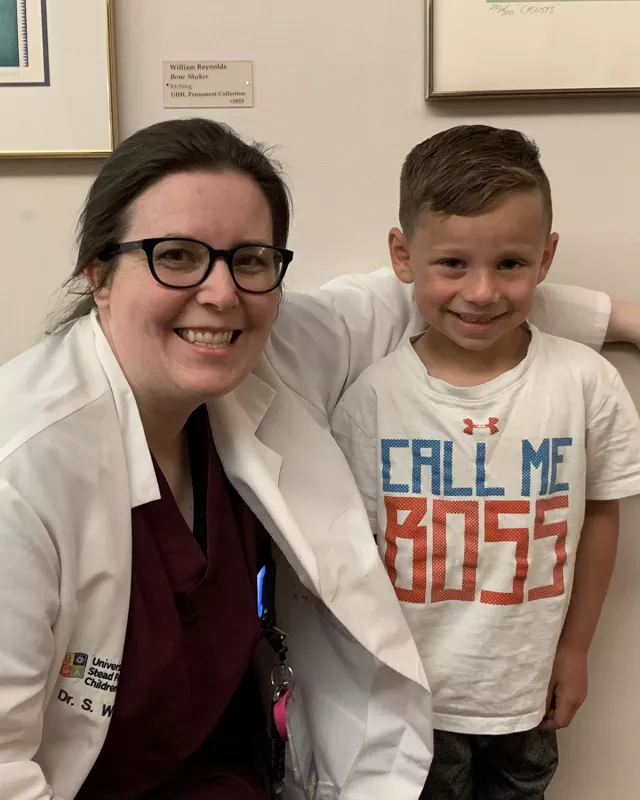
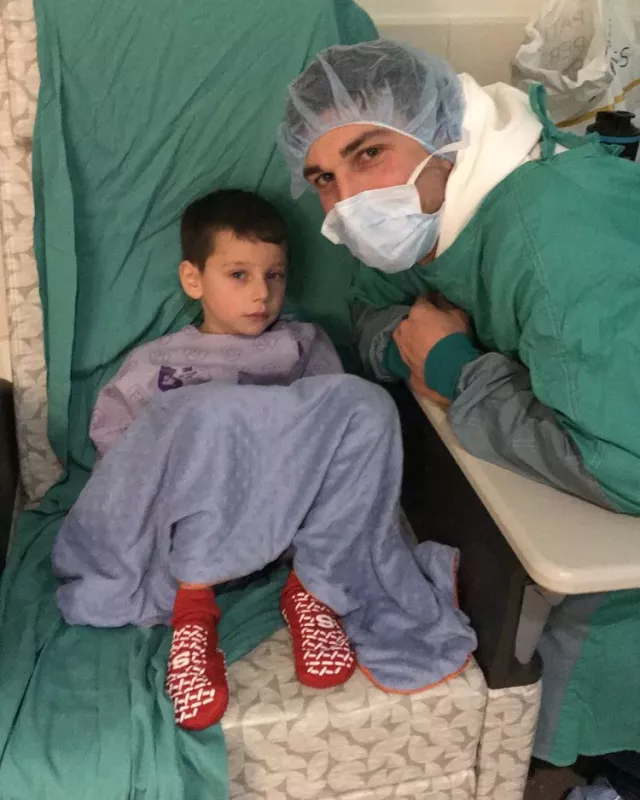
As soon as Tate arrived at the hospital, doctors rushed him into emergency surgery.
The operation lasted eight hours.
Surgeons worked tirelessly to repair his vital organs, knowing his survival depended on every second.
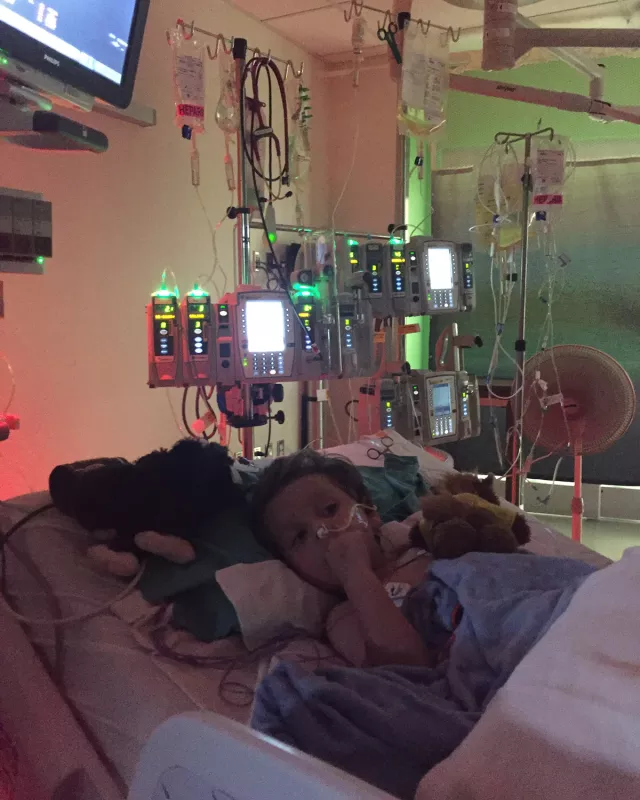
That surgery was only the beginning.
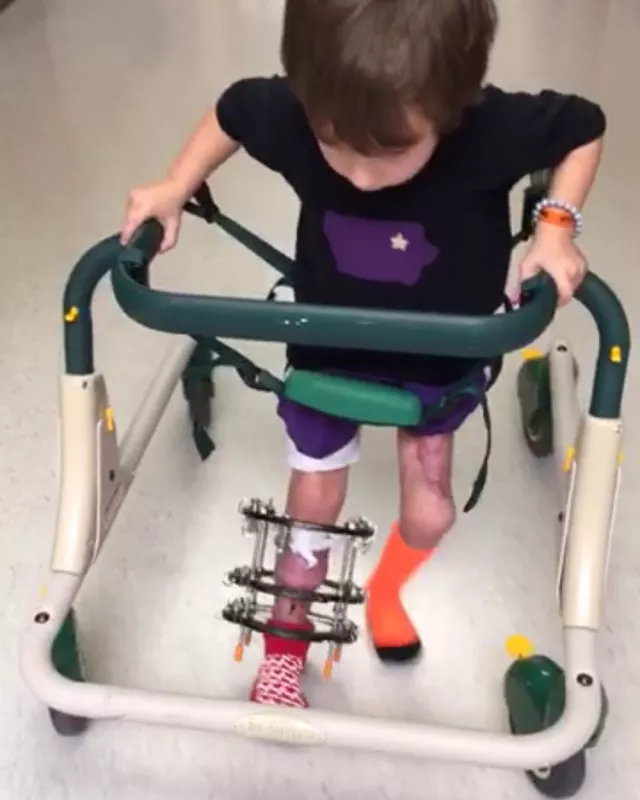
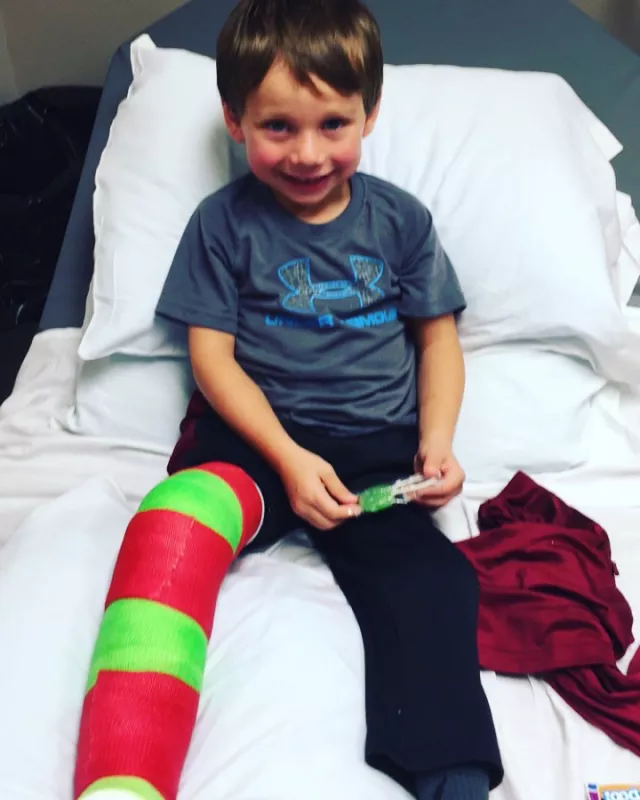
Over the years, Tate has endured more than thirty procedures.
Some were to preserve his legs.
Others to protect his ability to walk.
Each surgery carried risk, but each one was another step toward hope.
Dr. Michael Willey, the orthopedic surgeon who cared for Tate, explained how devastating lawn mower injuries can be for children.
“Every summer, we see them like clockwork,” he says. “We care for ten to fifteen kids each year with similar injuries, though none as severe as Tate’s. We need to do more to raise awareness about lawn mower safety.”

Tate’s parents took that to heart.
They became advocates, determined to protect other families from the pain they had endured.
They spoke at events, shared their story, and worked to promote awareness across their community and beyond.
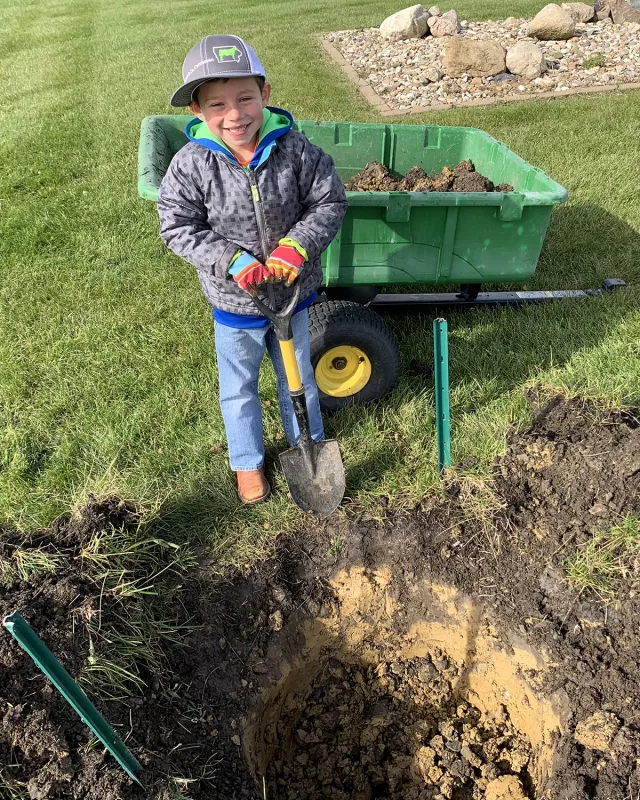
At the Iowa State Fair, Tate’s mother even showed a steer to raise funds for Ronald McDonald Houses across Iowa.
“It was so powerful,” Fonda recalls.
The crowd cheered, and the family received the People’s Choice Award.

But Tate’s journey wasn’t just about surviving—it became about giving back.
He served as a University of Iowa Children’s Miracle Network Champion, representing kids like him who had fought impossible battles.
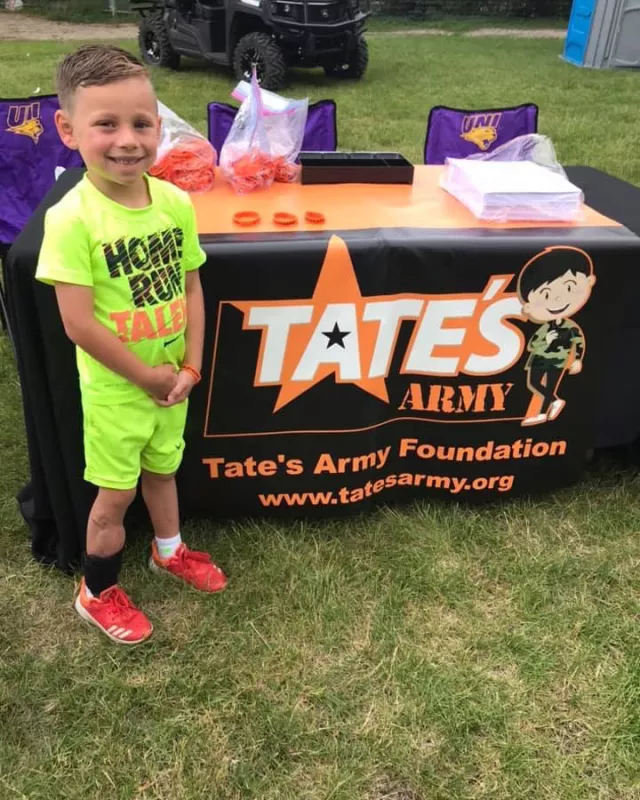
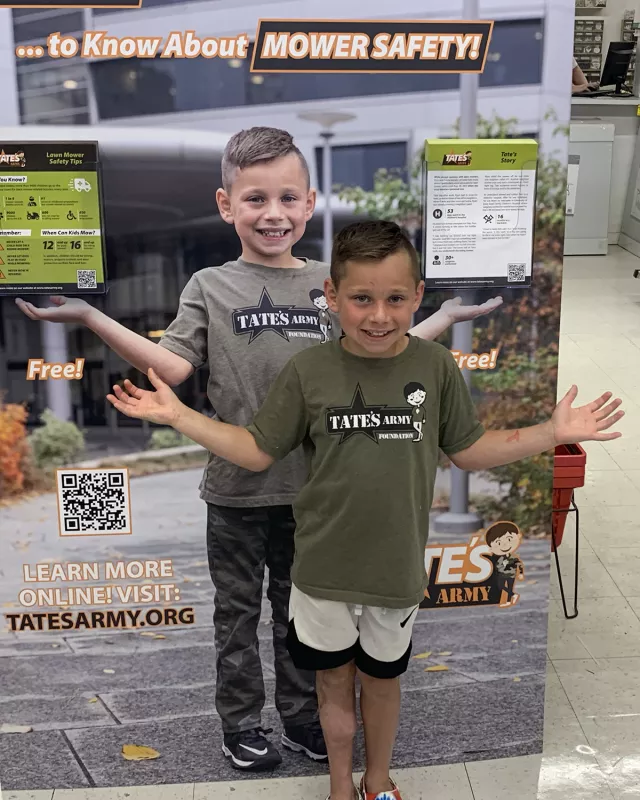
Together, the family started a nonprofit foundation focused on lawn mower and machinery safety.
Through this foundation, they provide education, advocacy, and even financial support to families across the country facing similar tragedies.
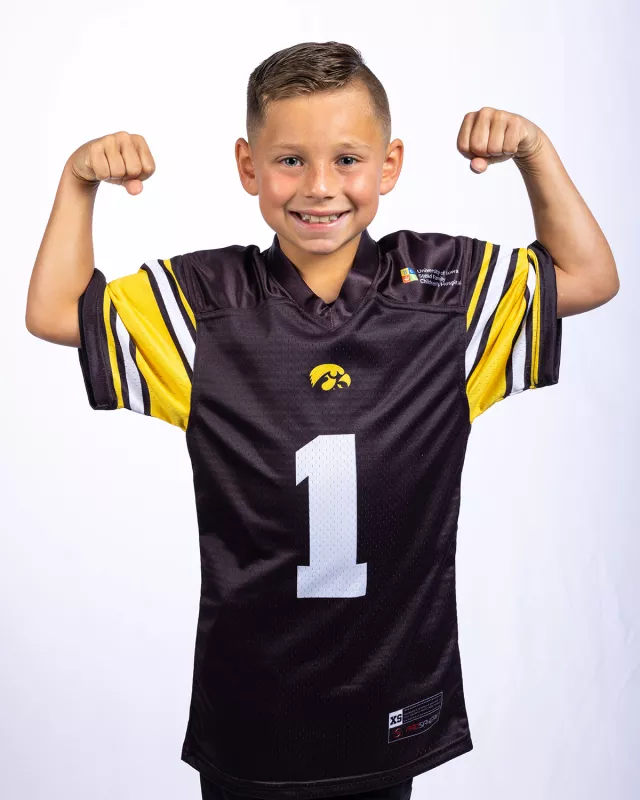
Now, five years later, Tate is eight years old and in third grade.
Against all odds, he is not only alive—he is thriving.

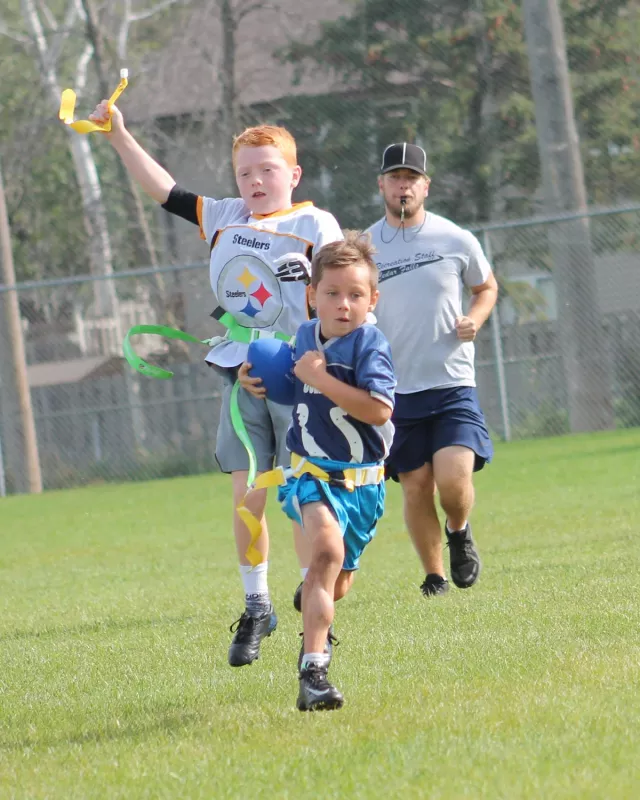
He runs, he laughs, he plays baseball and flag football.
He explores the outdoors with a joy that reminds his parents every day just how miraculous his survival is.
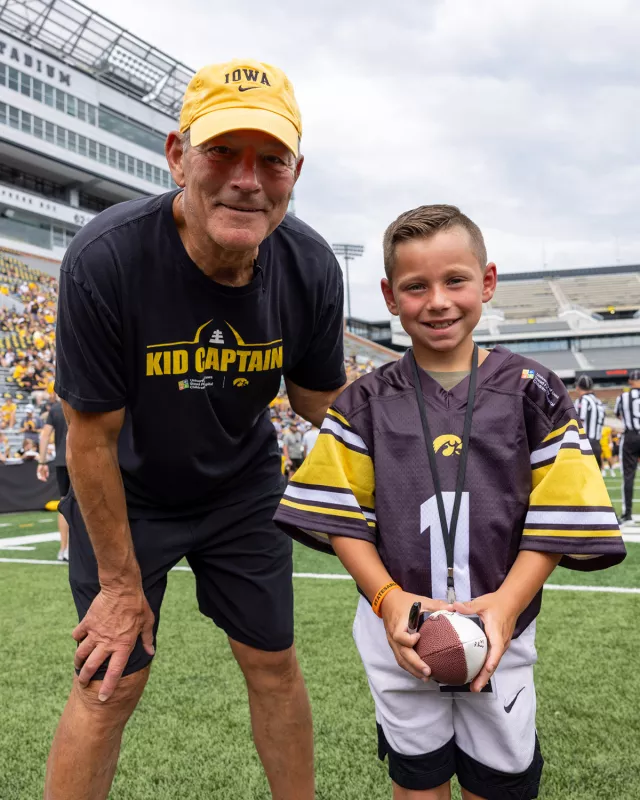
Ryan and Fonda never forget the team that made it possible.
“The care team saved his life,” they say without hesitation.
And while Tate’s body carries the scars of what happened, his spirit carries something greater—resilience, courage, and the ability to turn tragedy into hope for others.
What began as the darkest day of their lives has become a story of survival, strength, and love that refuses to be broken.
