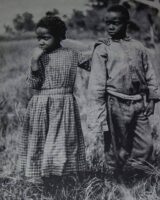
Forty miles south of Savannah, seven miles off the Georgia coast, lies a place where time slows and history whispers through the trees. Sapelo Island is small, secluded, and often overlooked. Yet for over four centuries, it has carried within it one of the most extraordinary cultural legacies in America—the story of the Gullah Geechee people.
The Gullah Geechee are the descendants of enslaved Africans who were brought to the coastal Southeast to work the rice and cotton plantations. On islands like Sapelo, their isolation allowed them to preserve something precious: a distinct language, a unique culture, and traditions that still pulse with African rhythms today. Unlike so many other communities swept up by assimilation, the Gullah Geechee endured, shaping a way of life rooted deeply in the land and sea.
On Sapelo, heritage is not abstract—it is lived. Elders still speak the Gullah language, its lilting cadences carrying echoes of West Africa. Songs and stories are passed down by memory, not books. Food is more than sustenance—it is identity, with dishes like red rice, okra soup, and shrimp nets cast into the marshes not just feeding families, but linking them to centuries of ancestors who did the same.

But life on Sapelo has never been simple. Accessible only by ferry or private boat, the island offers no convenience of highways or shopping malls. For generations, residents relied on what they could harvest, build, or create. Fishing, crabbing, farming sweet potatoes and corn, weaving baskets from marsh grass—these were not hobbies, but the means of survival.
And yet, survival was not enough. The community has faced constant pressures: land developers eager to carve up ancestral property, outsiders dismissing their traditions as relics, economic hardship that drove younger generations to leave in search of work. Each challenge threatened to chip away at a culture that had already endured the unimaginable.
Still, Sapelo stands. Still, the Gullah Geechee resist.
To walk the island today is to walk through living history. You see children running along sandy paths while elders sit in the shade, sharing stories that stretch back before America was even a country. You hear laughter in the same fields where once there was toil. You witness resilience etched into every hand-sewn quilt, every carved wooden boat, every basket coiled with patience and skill.

Historians and cultural preservationists now call Sapelo Island a treasure, a rare jewel of survival. But to the Gullah Geechee who remain, it is more than that—it is home. It is the soil that holds their ancestors, the marsh that has fed their families, the church pews where voices rise in praise, the language that ties their children to a past most of America has forgotten.
The fight to protect Sapelo continues. Encroachment and rising costs still threaten the land, and with it, the community’s future. But their determination is unyielding. The people of Sapelo carry not only their own stories but also the responsibility of keeping alive a culture that has outlasted slavery, poverty, and erasure.
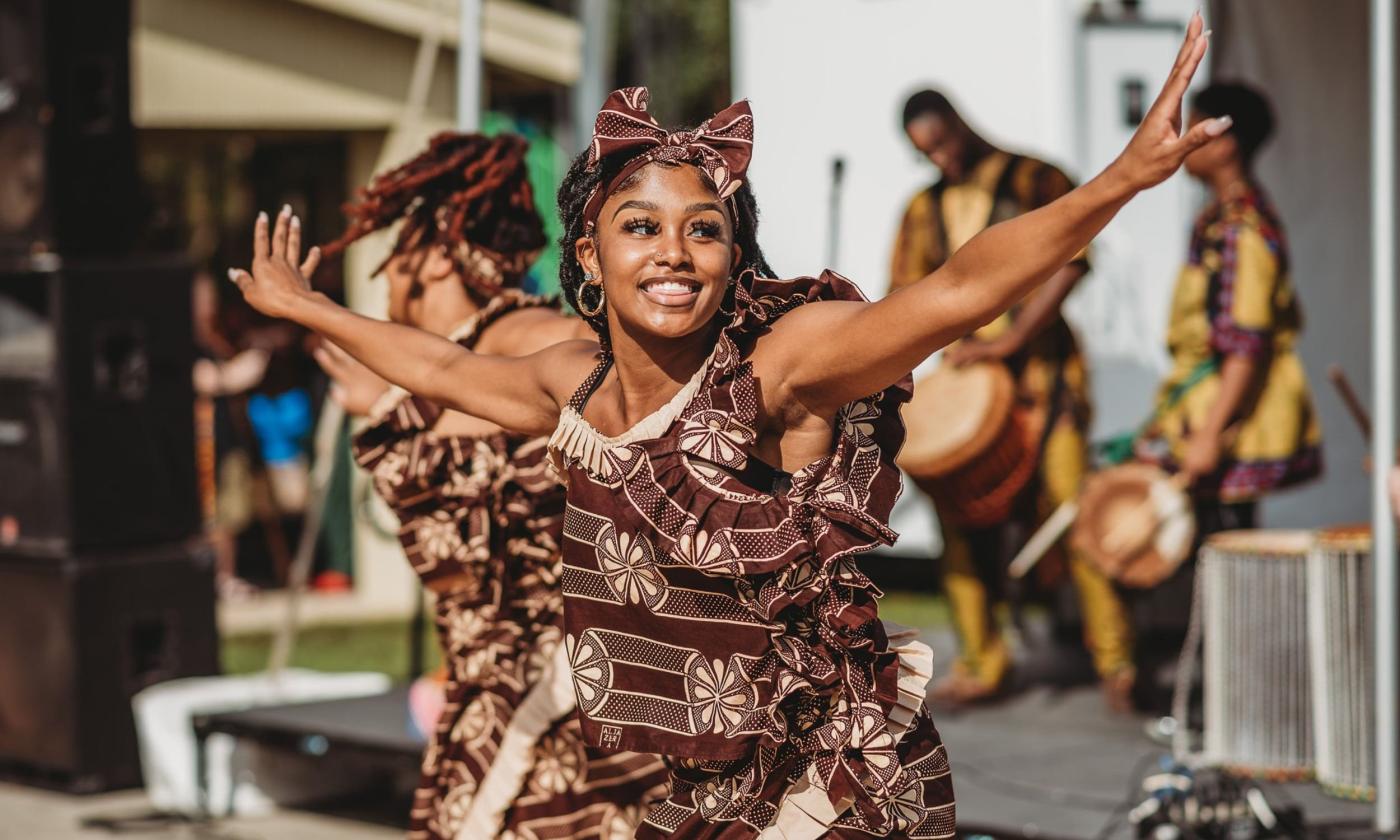
Sapelo is more than an island—it is a heartbeat. It reminds us that culture is not just preserved in museums but lived in kitchens, sung in hymns, and spoken in everyday words. It is proof that even in the harshest of histories, beauty and resilience can take root.
To step onto Sapelo is to glimpse the strength of the Gullah Geechee people, to feel the weight of their history, and to recognize their courage in preserving it. Their story is not one of the past—it is still unfolding.
And so, Sapelo endures, an island of memory, resilience, and love—an eternal home for a people who remind us all that heritage is worth fighting for.
