In the tangled streets of New Orleans, in a neighborhood locals called the “Back of Town,” a baby boy was born into a world that offered him little more than hardship. He was the grandson of slaves, born into poverty, and life seemed to conspire against him from the very beginning. His father disappeared before he could even form a memory of him. His mother, forced by desperation, turned to prostitution, leaving her children to be raised by their grandmother.

In that small, crowded home, the boy quickly learned what hunger felt like, what loneliness sounded like in the long nights, and what survival meant when the odds were stacked against him. But life, even in its harshest corners, has a way of planting small seeds of hope. For this boy, it came in the form of music.
From an early age, he carried a rhythm inside him, a natural gift that seemed to rise above the noise of his surroundings. With three other boys, he sang on the streets of New Orleans, their voices echoing through the humid night air. The sound drew strangers, who would toss coins into their hands—small treasures that meant food for the evening.

It was during one of these ordinary days that his life took a remarkable turn. A Jewish immigrant family, the Karnofskys, had come to America from Lithuania in search of a better life. When they saw the frail, hungry seven-year-old boy struggling to survive, they chose compassion over indifference. They invited him into their home. At first, they gave him small tasks—helping around the house, running errands—just enough to keep him fed. But in their home, he found something he had rarely known: kindness.
For the first time, he slept in a warm bed where no one judged him, where love was freely given. At night, Mrs. Karnofsky would sing him Russian lullabies, and he would sing along, his young voice blending with hers. Through this family, he learned songs in Russian and Yiddish, melodies foreign to the streets he grew up on, yet deeply familiar to his heart.
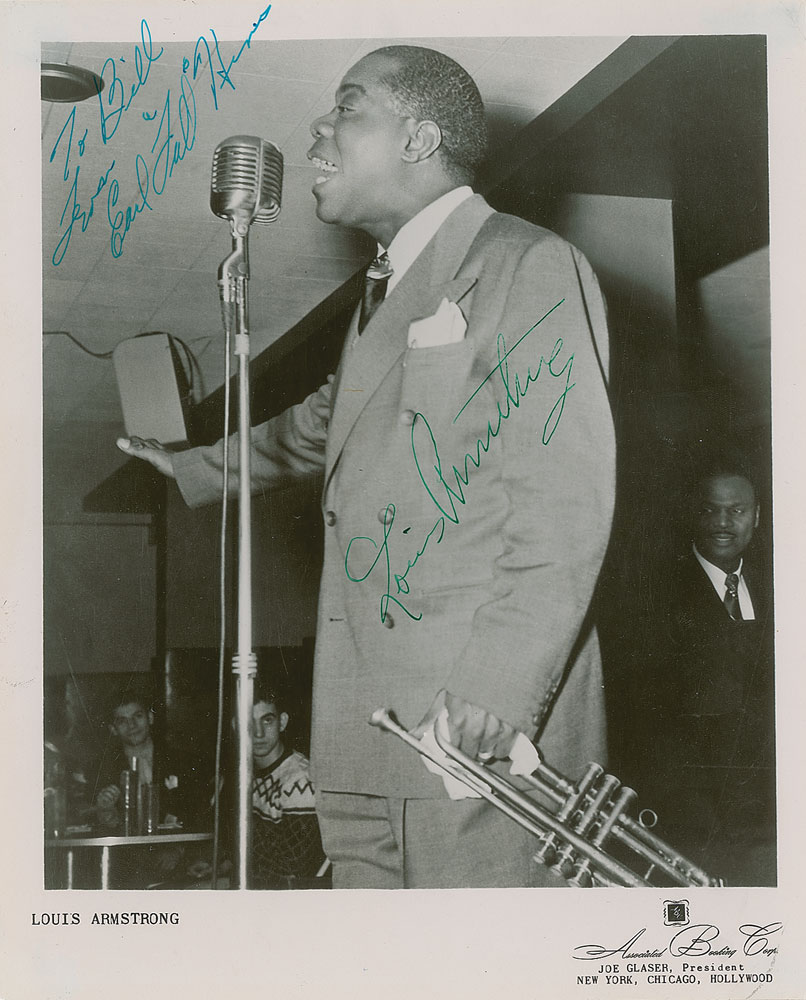
The Karnofskys soon became more than employers—they became family. They treated him as their own child, giving him the warmth and tenderness that had been absent from his early life. And, as was the tradition in Jewish families, they gave him money to buy his very first musical instrument. That small act of generosity would change the course of music history.
With their encouragement, the boy’s talent flourished. He never forgot the trust they placed in him, nor the love they gave when the world offered only cruelty. He would later say it was in the Karnofsky home that he learned what it meant to live with determination and dignity.
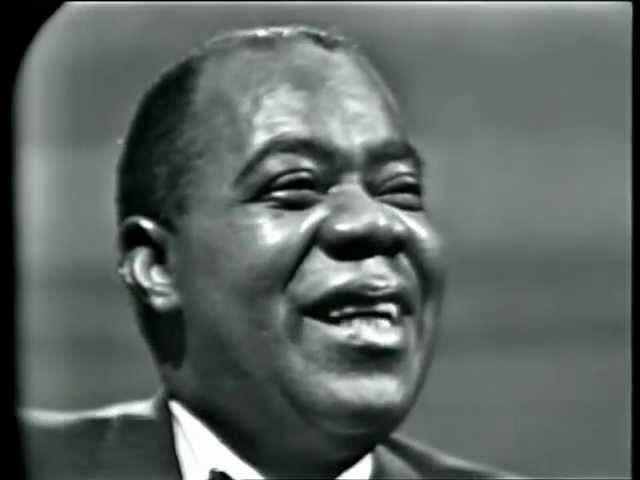
As he grew older, he carried those lessons with him. The melodies of Russian lullabies and Jewish songs found their way into his own compositions. And even as fame carried him to the farthest corners of the world, he never forgot his second family. In memory of them, he wore a Star of David around his neck until the day he died, a symbol of gratitude and identity.
The little boy from the “Back of Town” would grow into one of the most celebrated musicians of all time. His name was Louis Armstrong—“Satchmo,” as the world came to know him. Many say the nickname, meaning “big cheeks” in Yiddish, was first given to him by none other than Mrs. Karnofsky herself.

And so, every time his gravelly voice sings “What a Wonderful World”, the song carries more than just words. It carries the memory of kindness in the darkest places, the echo of lullabies sung long ago, and the proof that even a boy with nothing can grow up to give the world everything.
Louis Armstrong didn’t just play music—he lived it. And through it, he showed the world that beauty can rise from hardship, and that a single act of compassion can change not just one life, but the sound of generations to come.
