In the sun-scorched expanse of northern Kenya, where the land stretches wide and dry beneath the relentless sky, something extraordinary is happening — a quiet revolution in the world of wildlife rescue.

At the Reteti Elephant Sanctuary, a group of dedicated caretakers is rewriting the story of how orphaned elephants are nurtured back to life — not with human baby formula, but with something far simpler and closer to home: goat milk.
Founded in 2016, the sanctuary was born out of compassion and necessity. Its mission is as heart-driven as it is urgent — to rescue and rehabilitate orphaned and abandoned elephant calves who have lost their mothers to poaching, drought, or human-wildlife conflict.

Many of these babies arrive dehydrated, traumatized, and clinging to life. The caregivers, most of them local Samburu men and women, step in as surrogate families — offering warmth, comfort, and now, an innovative way to feed them.
For years, Reteti relied on expensive powdered baby formula imported from abroad. It worked, but it strained the sanctuary’s limited resources. Each feeding cost more than most local families could earn in a day.
That’s when Dr. Steven Chege, the sanctuary’s veterinary adviser, proposed something bold — to use locally sourced goat milk as a replacement.
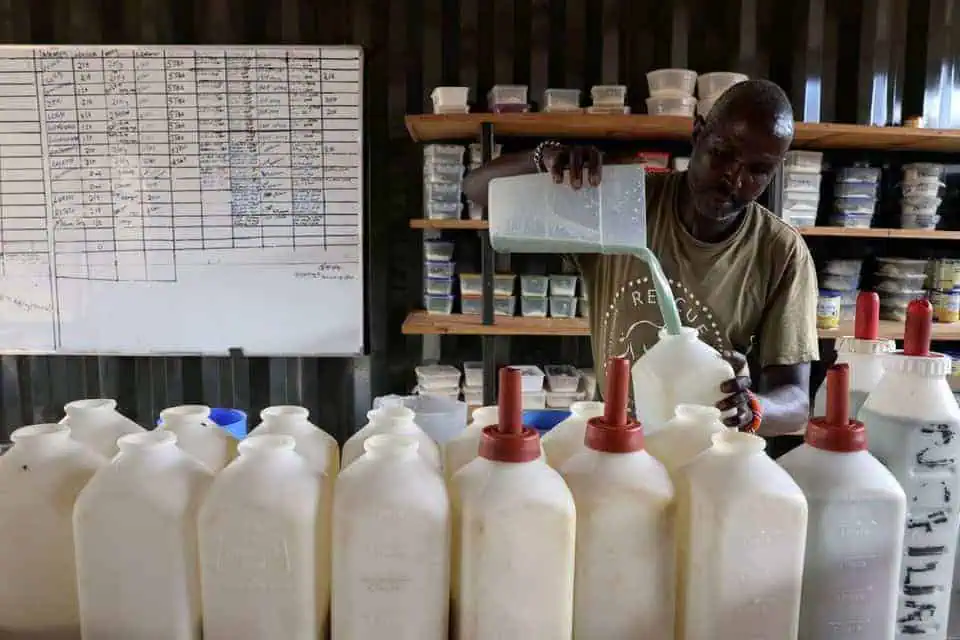
At first, the idea seemed almost too simple. Could goat milk really sustain a growing elephant calf? But as the team began experimenting, the results spoke for themselves. Goat milk, it turned out, wasn’t just an affordable alternative — it was a superior one.
Rich in protein and easier to digest than cow’s milk or formula, goat milk provides exactly what vulnerable elephant calves need to grow strong.
Its gentle composition reduces digestive complications, which are often fatal to orphaned elephants in early rehabilitation.

“Goat milk is working wonders,” Dr. Chege explains. “It’s natural, nutritious, and perfectly suited for their delicate systems.”
The sanctuary’s dusty enclosures now echo with the soft slurping sounds of baby elephants eagerly drinking from oversized bottles filled with fresh goat milk — a small but powerful symbol of survival and adaptation.
Beyond its benefits to the elephants, this change has created a ripple effect throughout the region.
The sanctuary now partners with local goat farmers, many of whom are women like Liwana Lenakukunyia, who have found a steady source of income by supplying milk.

For Liwana, this partnership has meant more than money — it’s meant independence. “Before, I depended on the market and long journeys to sell milk,” she shares. “Now, Reteti buys directly from me. My children go to school, and we have enough to eat.
The elephants help us, and we help them.”
This relationship between wildlife conservation and the local economy has turned Reteti into more than just a rescue center. It’s become a model of coexistence — where caring for endangered animals also strengthens human lives.
Today, the sanctuary cares for a herd of 15 to 30 elephant calves, each with a story of loss, healing, and hope. When they are strong enough, the team gently guides them back into the wild, where they can join new families and roam free again.
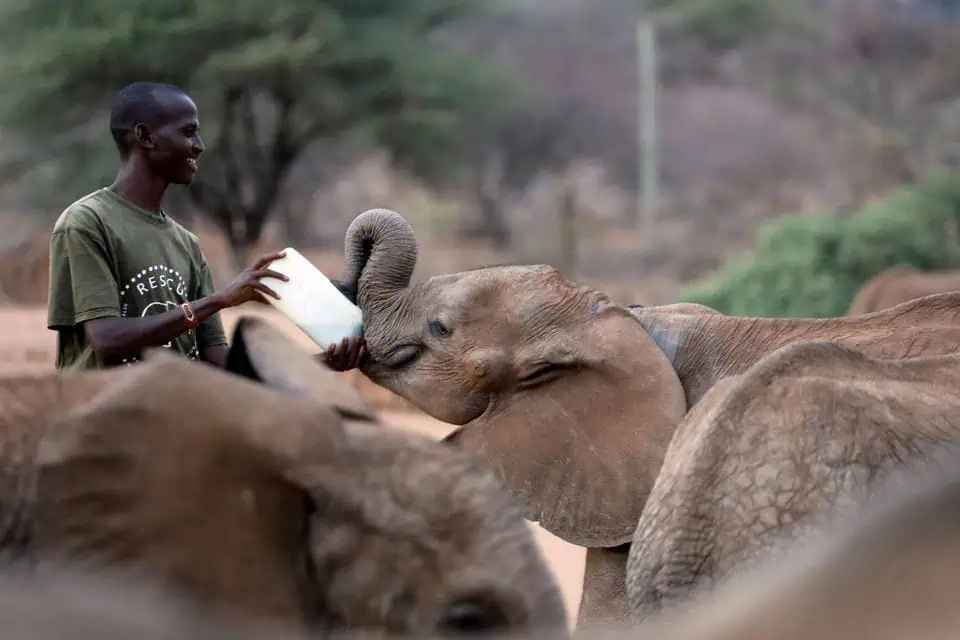
Watching an elephant walk away — the very same one once bottle-fed and frail — is bittersweet, but it’s the sanctuary’s greatest success.
And at the heart of that success is something humble, yet extraordinary: goat milk.
It has reduced costs, nourished orphans, empowered communities, and forged an unbreakable bond between people and wildlife.
It’s a reminder that sometimes, the most powerful solutions come not from complexity, but from simplicity — from listening to the rhythms of the land and the wisdom of its people.
As the sun sets over the red earth of Samburu, keepers at Reteti gather to feed the youngest calves their evening bottles. The elephants’ trunks curl around the bottles, their eyes calm and trusting. Each gulp of milk tells a story — of resilience, compassion, and connection.
In that moment, the future of conservation doesn’t just look possible — it looks hopeful.
