When Patrick Swayze stepped into the final audition for Dirty Dancing, he knew his career—and perhaps his identity as an artist—hung in the balance. Years of ballet, gymnastics, and martial arts had left him with a badly damaged knee that now throbbed with each step. “I was hurting pretty badly by then, and I didn’t know if I could pull it off,” he later admitted in his memoir The Time of My Life. “But I loved the character of Johnny Castle. I felt like I had lived parts of his life.”

The producers, however, weren’t convinced. They had seen his talent, but doubts lingered about whether his body could endure the demanding choreography. Other actors were still being considered. Everything depended on this last test.
Then came Jennifer Grey. Their relationship had been rocky since their earlier collaboration on Red Dawn, filled with clashes and tension. But as they stood together on the audition floor, something unexpected happened. They locked eyes. For a few electrifying minutes, the room fell away. Their movements weren’t flawless, but they were real—charged with urgency, vulnerability, and an authenticity that could never be faked.
Jennifer Grey later told People, “There was this moment when I looked into his eyes, and it felt like we were the only two people in the world. It wasn’t acting. It was real.”
The people watching knew it too. Producer Linda Gottlieb confessed to Entertainment Weekly, “We were all crying. Patrick gave us everything—heart, soul, sweat, blood. You didn’t just watch it, you felt it.” Casting decisions that had been clouded with uncertainty minutes before suddenly became clear. Patrick Swayze was Johnny Castle.
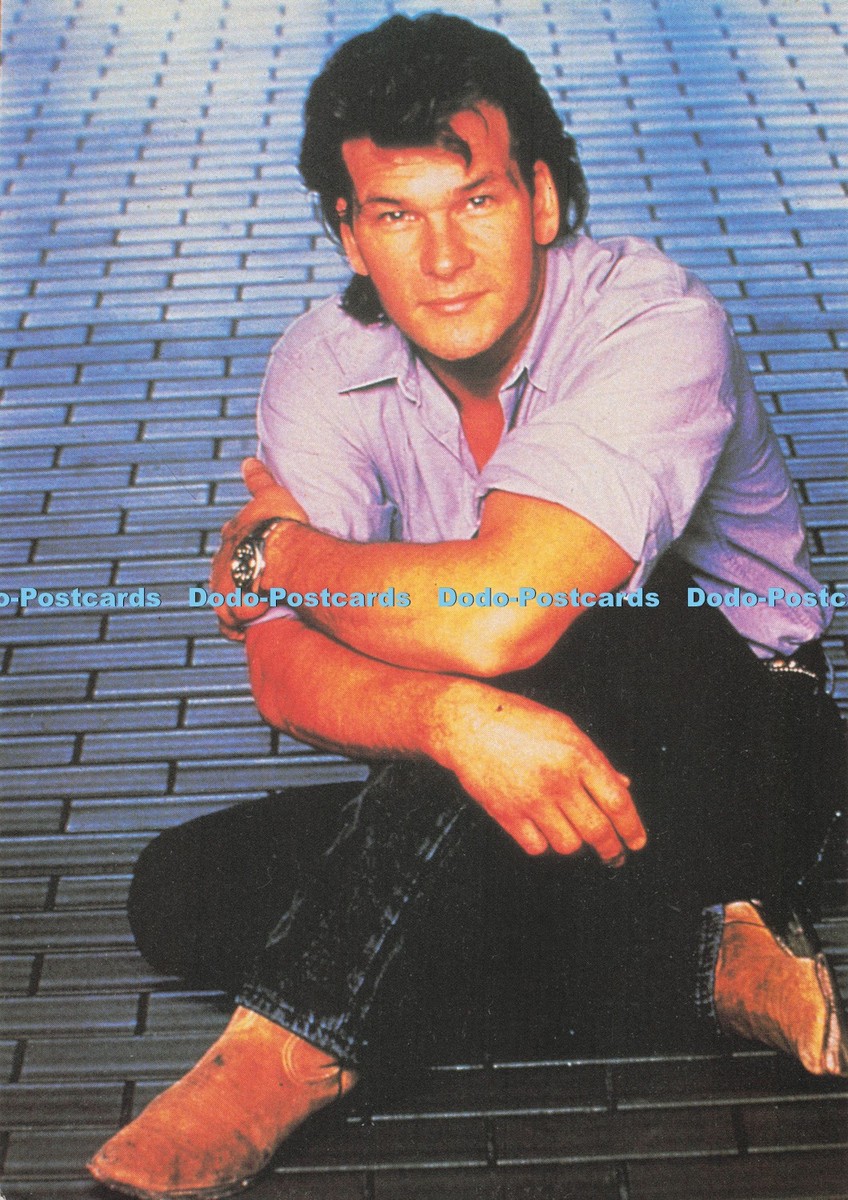
For Swayze, the role was deeply personal. He had grown up in Houston, Texas, the son of choreographer Patsy Swayze, who drilled him in ballet and modern dance from childhood. In a culture where toughness was defined by football and rodeo, Patrick’s choice of passion made him a target of ridicule.
He knew what it meant to be mocked for following an unconventional dream. That wound—and the resilience it demanded—gave him a unique kinship with Johnny Castle, the working-class outsider who dared to dream of more. “Johnny wasn’t just a guy from the wrong side of the tracks for me,” Swayze later told The New York Times. “He was every kid who ever felt he wasn’t good enough, every artist who had to fight for his place.”
The audition sequence itself was far from polished. His knee screamed in protest, their steps stumbled at times, and the sweat poured freely. Yet those very imperfections gave the scene its magic.

Director Emile Ardolino explained to The Hollywood Reporter that the unvarnished quality was exactly what he wanted. “It was human. It was messy. It was real. That’s what made it unforgettable.”
But getting the film made wasn’t without its battles. The tension between Grey and Swayze carried into rehearsals. “We fought a lot on Red Dawn, and at first, I thought, ‘Oh boy, here we go again,’” Swayze admitted. Still, something about Jennifer pushed him to dig deeper. Their clashing energies translated into on-screen sparks that would define one of the most beloved romances in cinema history.

Determined to honor the role fully, Swayze refused the use of a dance double. Every spin, every leap, every lift was his own—even with the constant pain of his knee. The film’s legendary climax, the gravity-defying lift, was so physically demanding that they avoided rehearsing it until the final scene was shot. Then, with cameras rolling, Swayze lifted Grey high into the air, his battered body summoning one last burst of strength. In that instant, he created a cinematic moment that still brings audiences to their feet decades later.
Reflecting years later in Rolling Stone, Swayze said, “That movie was about believing in yourself, even when the odds are stacked against you. And that audition, that one last chance I had, taught me that sometimes when you think you’ve got nothing left to give, you find your best.”
Patrick Swayze’s audition for Dirty Dancing was not just the turning point of his career—it became a symbol of perseverance itself. It proved that imperfection could be powerful, that vulnerability could become strength, and that heart could outshine doubt.
What began as a desperate gamble in a rehearsal room ended as movie magic, immortalizing not just a love story, but the resilience of an artist who refused to quit.
