Patryś’ Battle: A Journey Through Illness, Hospitalizations, and Hope
In recent weeks, our son Patryś has faced two serious hospitalizations due to pneumonia and severe intestinal complications. These days have tested not only his body but also our hearts, as we’ve watched him struggle through pain and illness that no child should ever endure.
In the last few days, Patryś became alarmingly weak. He completely lost his appetite and had no desire to drink. His breathing was labored, with a harsh, choking cough, and his tracheostomy was filled with thick, accumulated secretions that made every breath a fight. The situation escalated quickly: he began vomiting violently and developed a high fever, reaching 39.8°C (103.6°F). With every passing moment, his strength waned, and his skin took on a bluish hue. Fear gripped us, and we knew we had to call emergency services immediately.
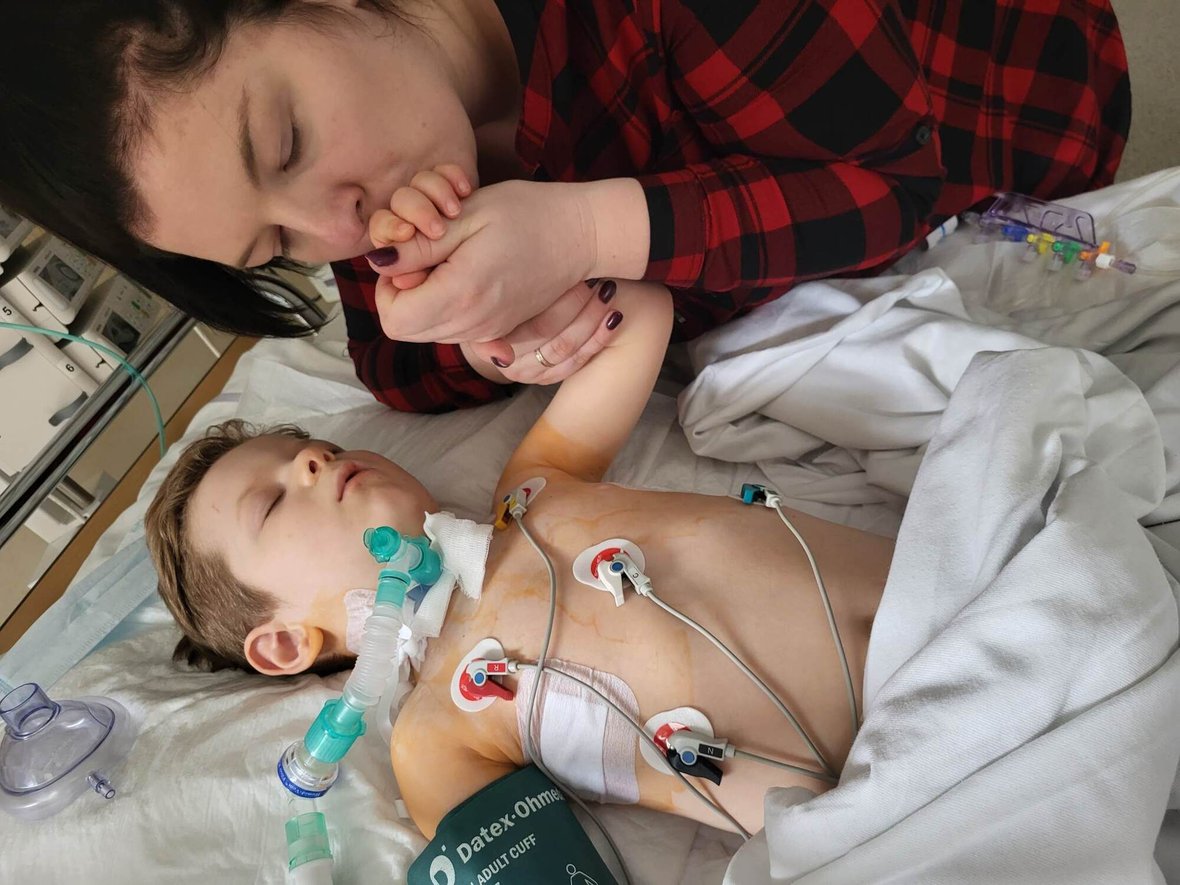
Upon arrival at our home, the paramedics quickly assessed Patryś. His oxygen saturation had dangerously dropped to 65%, a life-threatening level that required immediate intervention. Despite connecting him to a ventilator and supplemental oxygen concentrator and adjusting ventilator settings to increase oxygen delivery, his saturations remained perilously low. Time was critical. With the paramedics’ support, we rushed Patryś to the hospital. He was admitted first to the Isolation and Observation Pediatric Ward, and then transferred to the Pediatric Surgery and Urology Department for more intensive care.
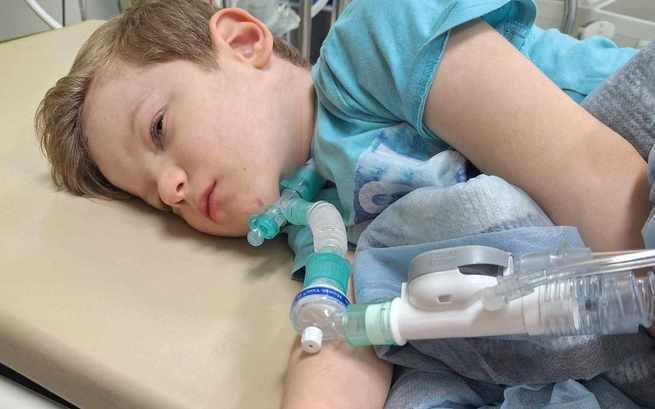
At the hospital, it quickly became evident how severe Patryś’ condition was. His blood gas results showed a dangerous accumulation of carbon dioxide in his system, a sign that his lungs were struggling to remove it effectively. This necessitated high-flow oxygen and precise adjustments to ventilator parameters, overseen by an anesthesiologist. Elevated inflammatory markers, including CRP, indicated a serious infection, prompting doctors to start a course of antibiotics immediately.
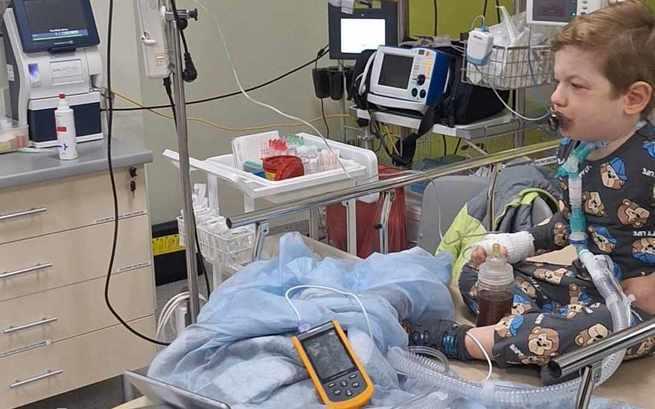
In addition to respiratory distress, Patryś was severely dehydrated, requiring intravenous fluids to restore his balance. A chest X-ray revealed bilateral parenchymal and interstitial consolidations in the central regions of both lungs, fluid in the right pleural cavity, and an enlarged cardiac silhouette. Swelling was noticeable in his eyelids and hands, a reflection of the strain his body was under.
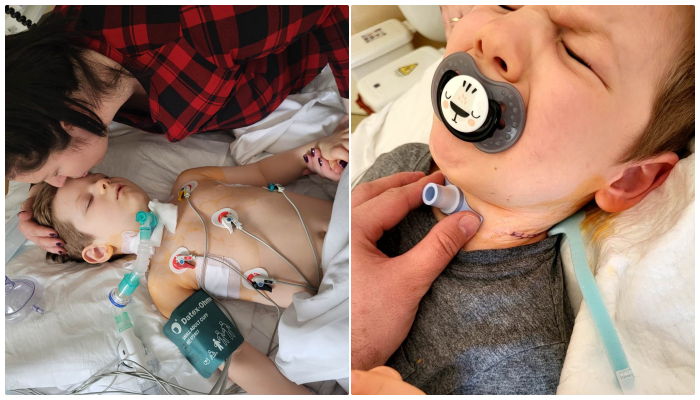
But the challenges did not stop with his lungs. Patryś had not passed stool or gas for several days. He was vomiting and his abdomen was extremely distended and painful. Due to these symptoms, he was admitted to the surgical ward for further management. Blood tests confirmed significantly elevated infection markers, which led to an adjustment in his antibiotic therapy. He was also rehydrated with IV fluids and underwent repeated bowel decompressions using a rectal tube, followed by intestinal lavage. These interventions, though difficult for Patryś, gradually improved his overall condition, helping his body regain some strength.
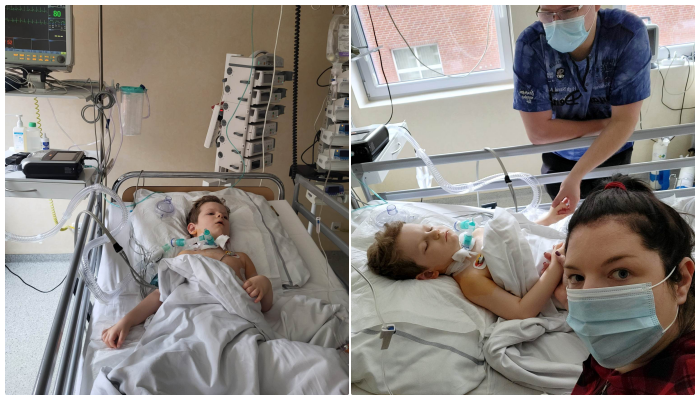
Through all of this, every moment has been a delicate balance between medical care and parental vigilance. We monitor him constantly—listening to his breathing, checking for changes in color, responding to every cough, every gasp, and every sign of distress. The fear is ever-present, but so is hope, as we see small signs of resilience in our little boy every day.
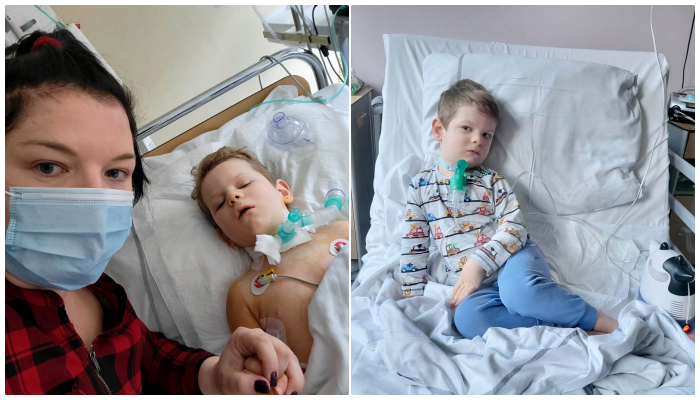
Patryś’ journey is a reminder of how fragile life can be, especially for children with complex medical needs. His daily fight against infection, dehydration, and intestinal complications has been relentless, yet his courage shines through. Even in the most difficult moments, we see glimpses of the joyful, curious boy we know him to be—the boy who loves to play, to laugh, and to be close to his family.
Our family’s journey has been made possible because of the support and love of people around us. Every donation, every prayer, every word of encouragement helps us continue Patryś’ treatment and fight the obstacles that come our way. We are endlessly grateful for those who have helped sustain him, and we reach out once more, from the bottom of our hearts, for your continued support.
Patryś’ condition remains delicate. He requires constant monitoring, advanced respiratory support, and careful management of his intestinal system. Every day is a new challenge, and every improvement, no matter how small, is a victory that keeps hope alive. Despite the fear and uncertainty, we remain committed to giving him the best care possible and ensuring that every day he spends with us is filled with comfort, love, and attention.
This journey has also taught us the power of resilience and faith. Seeing Patryś fight for every breath, endure medical procedures, and respond to treatment—even when his body feels exhausted—is a lesson in courage for everyone around him. His strength, though small in stature, is monumental in spirit, reminding us that hope can exist even in the darkest times.
Through these hospitalizations and critical moments, we’ve learned that every child’s life is precious and that medical intervention alone is not enough—what sustains Patryś is love, attention, and the unwavering belief that better days are possible. Each IV, each ventilator adjustment, and each bowel decompression is part of a broader journey that requires a community of care, both medical and personal.
We share Patryś’ story not only to inform but to inspire understanding and support for families facing similar challenges. Medical crises can strike suddenly, turning ordinary days into terrifying battles for survival. Yet even in this struggle, there is room for hope, for moments of joy, and for the small victories that remind us why every effort matters.

Thanks to the support we have received so far, Patryś continues to fight. His strength is bolstered not only by medical care but by the love that surrounds him—from family, friends, and caring strangers. Every contribution allows us to sustain his treatment and gives him a chance to grow stronger with each day.
We humbly ask for your help once more. Your prayers, your encouragement, and your support mean the world to us and to Patryś. They allow us to continue this journey, to provide him with the care he needs, and to hold onto hope even when the challenges seem overwhelming. Together, we can help Patryś continue to fight, recover, and experience the precious moments of childhood that every child deserves.
Patryś’ story is far from over. It is a story of courage, resilience, and the unwavering human spirit. Through infections, respiratory crises, and intestinal challenges, he shows us that life—though fragile—is worth fighting for. Every breath he takes is a testament to his strength, and every small improvement is a reminder of why we never give up.
With your help, we can continue to face each obstacle and create a path toward better days for Patryś. Thank you from the depths of our hearts for standing with us in this journey, for believing in him, and for giving him a chance to fight another day.
